
Unauthorised Scams
What are they?
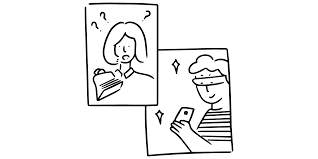
We can help when you’ve been charged for a payment you did not consent to or intend to make. This is referred to as ‘unauthorised fraud’. This is usually when your crypto app is used without your permission or somebody steals your phone and uses it to send money. It can also often be when someone has tricked you into making a payment that you didn’t want to make.
If you consented to a transaction that turns out to be fraud, this is different and is treated as an Authorised Push Payment (APP) scam.
What are some examples of unauthorised transactions?
There are many ways in which fraudsters can make transactions without your consent. Here are some examples; but there are many, many clever ways that fraudsters find loopholes in the crypto’s systems.
Shoulder surfing
The low-tech and traditional way of doing this is by watching or filming over your shoulder at a cashpoint as you enter your PIN and then stealing/cloning your card later on. However, we increasingly see people use the same PIN on their phone as their crypto app, bank card or their mobile banking app PIN. Fraudsters will again watch people enter their phone PIN over their shoulder and use that to guess their crypto or banking PIN.
Remote access
We often see cases referred to as “safe account scams” where callers pretend to be from your crypto company or bank and convince you that your account is compromised. Other similar scams include people pretending to be from other organisations such as Amazon or HMRC. The commonality is that they get remote access and, once you are logged into your crypto or bank app, they steal the money by sending it from your account or they make transactions that trick you into approving.
Apple Pay scam
We’ve seen cases where in advance, the caller has managed to get many personal details from the customer. They pretend to be from their bank and tell them to cancel their card and that a new one is on the way. They manage to do a clever trick where they tell you to set up Apple Pay temporarily while you wait for your new card and in doing so, convince you to give them some access codes for the Apple pay registration. In reality, they are setting up your account on their own phone alongside Apple Pay and will then go on a spending spree.
What protection do you have if an unauthorised payment is made on your account?
Put simply, crypto companies or banks are supposed to refund people by the end of the next business day unless they can show that the customer has been grossly negligent, is acting fraudulently or authorised the payments. The burden of proof is on the crypto company or bank and not the customer to do this, but, you need to cooperate fully with the bank’s investigation.
Gross negligence is a high bar for the crypto company or bank to prove and it has to be really negligent such as writing your PIN on a piece of paper and leaving it in your wallet next to your bank card. We have seen many examples of crypto companies incorrectly applying the gross negligence standard to people who were not at fault for what happened. Likewise, we unfortunately frequently see crypto companies accusing customers of lying about the chain of events.
How to protect yourself
1
Never give out any banking details or access codes
2
If anyone calls you pretending to be from your crypto company, bank or any other official body, hang up and call back on the number of the card or on their official website or app. Remember, fraudsters can spoof real organisation’s numbers and pretend to call you from them
3
Don’t use the same PIN on your phone as your crypto or banking app
What if you’ve been a victim of fraud?
Authorised or not, you should report any fraud to your crypto company or bank first. If they don’t refund you, We can help you get your money back from your crypto company or bank and you can fill in our fraud refund claim form for a free consultation.